HolisticA
Root-Cause Medicine
Mood & Emotional Wellness
Explore our Subscriber-Only Educational Portal for a deep dive into our clinical methodology. Get access to these resources:

Clinical Drivers:
A comprehensive breakdown of known potential clinical drivers.

Biomarker & Lab Insights:
Specific tests associated with these underlying drivers.

Root-Cause Discovery Quiz:
Identify potential drivers vs. unlikely drivers.

Clinical Archetype Profiles:
Physiological profiles for various symptom presentations.

Myth-Busting Library:
Common misconceptions.
Watch 10-Minute Video about the Educational Portal:
Get Your Private Access Link:
Enter your email to receive an instant access link to our comprehensive education portal. Check your inbox & junk box.
Note: We prioritize your privacy. This registration ensures that our advanced educational materials are shared within a secure, dedicated environment.
Diet Plan for Mood & Emotional Wellness:

Foods to Avoid
These foods worsen inflammation, destabilize blood sugar, disrupt neurotransmitters, irritate the gut, or stress the nervous system — all of which directly affect mood.
1. Refined Sugar & High Glycemic Foods: Causes rapid blood sugar spikes → anxiety, irritability, mood crashes
-
Candy, pastries, donuts
-
Sugary cereals
-
White bread, white rice
-
Sweetened beverages
2. Ultra Processed Foods: Additives, preservatives, and inflammatory oils worsen neuroinflammation and emotional instability
-
Chips, crackers, packaged snacks
-
Fast food
-
Frozen meals with additives
3. Industrial Seed Oils: High omega 6 load → inflammatory pathways → worsened depression/anxiety
-
Soybean, corn, canola, safflower, sunflower oils
-
Fried foods
4. Excess Caffeine: Overstimulates the nervous system → worsens anxiety, irritability, and HPA axis dysregulation
-
Energy drinks
-
Multiple coffees per day
5. Alcohol: Disrupts neurotransmitters, sleep, and blood sugar → worsens mood symptoms
-
Wine
-
beer
-
liquor
6. Gluten & Dairy (for sensitive individuals): Can trigger inflammation, gut irritation, and mood swings in sensitive people
-
Bread
-
pasta
-
pastries
-
Milk
-
cheese
-
ice cream
7. Artificial Sweeteners & Additives: Can disrupt neurotransmitter pathways and gut microbiome balance
-
Aspartame
-
Sucralose
-
Food dyes
8. High Histamine Foods (if sensitive): Histamine intolerance can mimic anxiety, irritability, and panic
-
Aged cheeses
-
Fermented foods
-
Smoked meats
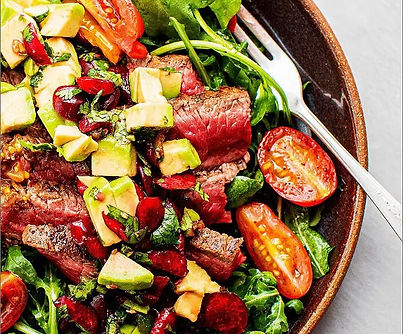
Foods to Eat More Of
These foods support neurotransmitter production, stabilize blood sugar, reduce inflammation, nourish the gut, and strengthen the stress response.
1. Anti Inflammatory Vegetables: Reduce neuroinflammation → clearer mood and cognition
-
Leafy greens (spinach, kale, chard)
-
Broccoli, cauliflower
-
Zucchini, asparagus
2. Polyphenol Rich Fruits: Antioxidants protect brain cells and support emotional resilience
-
Blueberries
-
Blackberries
-
Pomegranate
-
Cherries
3. Healthy Fats for Brain Function: Support neurotransmitter signaling and reduce anxiety/depression
-
Avocado
-
Extra virgin olive oil
-
Nuts & seeds (walnuts, chia, flax)
-
Fatty fish (salmon, sardines, mackerel)
4. High Quality Protein: Provides amino acids for serotonin, dopamine, and GABA production
-
Pasture raised poultry
-
Grass fed beef
-
Eggs
-
Lentils, chickpeas
5. Slow Burning Carbohydrates: Stabilize blood sugar → fewer mood crashes and irritability spikes
-
Sweet potatoes
-
Quinoa
-
Steel cut oats
-
Brown rice
6. Neurotransmitter Supporting Foods
-
Turkey (tryptophan → serotonin)
-
Eggs (choline → acetylcholine)
-
Pumpkin seeds (zinc → mood regulation)
-
Bananas (B6 → serotonin synthesis)
7. Gut Friendly Foods: Gut health directly influences mood via the gut brain axis
-
Kefir or yogurt (if tolerated)
-
Sauerkraut or kimchi (if not histamine sensitive)
-
Prebiotic fibers: garlic, onions, leeks, asparagus
8. Adaptogenic & Calming Herbs: Support nervous system regulation and stress resilience
-
Chamomile tea
-
Lemon balm
-
Ashwagandha (if tolerated)
-
Holy basil
9. Hydration & Electrolytes: Dehydration worsens fatigue, irritability, and anxiety
-
Water
-
Coconut water
-
Mineral rich broths
Daily Meals
Breakfast
-
Oatmeal with chia, walnuts, blueberries
-
Green tea
Lunch
-
Arugula + beet salad with salmon and olive oil
-
Lemon water
Snack
-
Dark chocolate (70%+) + handful of almonds
Dinner
-
Grilled mackerel or chicken
-
Steamed broccoli + roasted sweet potato
-
Herbal tea (hibiscus or ginger)
Supplement Add-Ons
-
Adaptogens: ashwagandha, rhodiola, holy basil
-
Mitochondrial support: CoQ10, L‑carnitine, alpha‑lipoic acid
-
Gut support: glutamine, zinc carnosine, probiotics
-
Anti‑inflammatory support: curcumin, omega‑3s