HolisticA
Root-Cause Medicine
Brain Fog & Cognitive Clarity
Explore our Subscriber-Only Educational Portal for a deep dive into our clinical methodology. Get access to these resources:

Clinical Drivers:
A comprehensive breakdown of known potential clinical drivers.

Biomarker & Lab Insights:
Specific tests associated with these underlying drivers.

Root-Cause Discovery Quiz:
Identify potential drivers vs. unlikely drivers.

Clinical Archetype Profiles:
Physiological profiles for various symptom presentations.

Myth-Busting Library:
Common misconceptions.
Watch 10-Minute Video about the Educational Portal:
Get Your Private Access Link:
Enter your email to receive an instant access link to our comprehensive education portal. Check your inbox & junk box.
Note: We prioritize your privacy. This registration ensures that our advanced educational materials are shared within a secure, dedicated environment.
Diet Plan for Brain Fog & Cognitive Clarity

Foods to Avoid
These are the foods that most commonly worsen brain fog by spiking glucose, inflaming the gut, or disrupting neurotransmitters.
1. Refined sugars & high‑glycemic carbs: Glucose spikes → insulin surge → crash → fog
-
pastries
-
white bread
-
cereal
-
soda
-
juice
2. Gluten (for many people): Can increase gut permeability → immune activation → neuroinflammation
-
wheat
-
barley
-
rye
3. Dairy (if sensitive): Casein + lactose can trigger inflammation or congestion in sensitive individuals
-
milk
-
cheese
-
yogurt
4. Industrial seed oils: High omega‑6 → oxidative stress → mitochondrial slowdown
-
canola
-
soybean
-
corn
-
safflower
-
sunflower
5. Ultra‑processed foods: Additives + preservatives disrupt gut–brain signaling
-
packaged snacks
-
fast food
-
frozen meals
6. Alcohol: Disrupts sleep architecture, depletes B vitamins, stresses the liver.
7. Excess caffeine: Cortisol dysregulation → afternoon fog → sleep disruption.
8. High‑histamine foods (if fog comes with headaches or allergies): Histamine intolerance is a hidden driver of brain fog.
-
aged cheese
-
vinegar
-
smoked meats
-
fermented foods
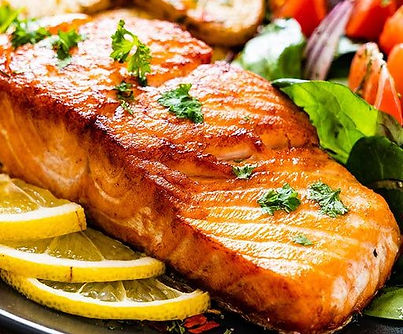
Foods to Eat More Of
These foods support neurotransmitter production, stabilize blood sugar, reduce inflammation, nourish the gut, and strengthen mitochondrial energy.
1. Mitochondria‑supportive foods:
Brain fog often reflects low cellular energy.
-
wild salmon
-
sardines
-
mackerel (omega‑3s)
-
grass‑fed beef (B12, carnitine, CoQ10)
-
eggs (choline for acetylcholine production)
-
spinach, kale, chard (magnesium, folate)
-
beets (nitric oxide → better oxygen delivery)
-
avocado (healthy fats + potassium)
2. Anti‑inflammatory foods: Reduce neuroinflammation and oxidative stress.
-
turmeric + black pepper
-
ginger
-
berries
-
olive oil
-
walnuts
-
leafy greens
-
cruciferous vegetables (broccoli, cauliflower, Brussels sprouts)
3. Gut‑healing foods: Because gut inflammation = brain inflammation.
-
bone broth
-
cooked vegetables (easier to digest)
-
sweet potatoes
-
squash
-
coconut yogurt (if dairy‑free)
-
low‑histamine fermented foods (if tolerated)
4. Blood‑sugar stabilizing foods: Stable glucose = stable cognition.
-
protein with every meal
-
healthy fats (avocado, nuts, seeds, olive oil)
-
slow carbs (quinoa, lentils, chickpeas, oats)
-
fiber‑rich vegetables
5. Vitamin deficiencies:
-
B12
-
magnesium
-
zinc
-
omega‑3s
-
vitamin D
6. Micronutrient‑dense foods:
-
shellfish (zinc, B12)
-
pumpkin seeds (zinc, magnesium)
-
dark chocolate (magnesium)
-
mushrooms (vitamin D precursors)
-
liver (B vitamins, iron) — optional but powerful
Daily Meals
Breakfast:
-
2–3 eggs cooked in olive oil or ghee
-
sautéed spinach + mushrooms
-
½ avocado
-
green tea or matcha (gentler caffeine)
Lunch:
-
wild salmon or chicken
-
large salad with mixed greens, beets, cucumbers
-
olive oil + lemon dressing
-
quinoa or lentils
Snack:
-
handful of walnuts or almonds
-
blueberries or raspberries
-
herbal tea (ginger, peppermint, rooibos)
Dinner:
-
grass‑fed beef or turkey
-
roasted sweet potatoes
-
steamed broccoli or Brussels sprouts
-
bone broth on the side
Before bed:
-
magnesium‑rich foods (pumpkin seeds, leafy greens)
-
chamomile or lemon balm tea
Supplement Add-ons
-
Adaptogens: ashwagandha, rhodiola, holy basil
-
Mitochondrial nutrients: CoQ10, L‑carnitine, alpha‑lipoic acid
-
Gut support: glutamine, zinc carnosine, probiotics
-
Anti‑inflammatory support: curcumin, omega‑3s